
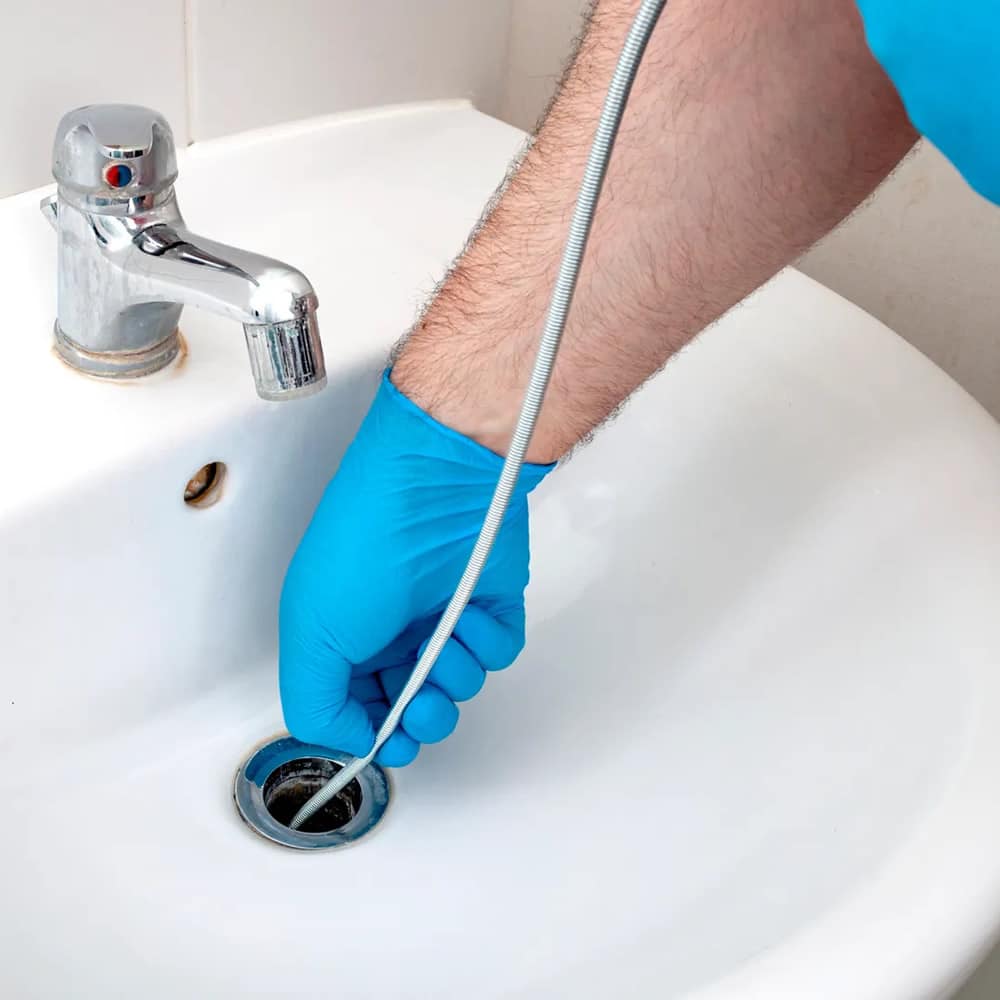
Blocked drains are a common household plumbing problem that can affect sinks, showers, toilets and outdoor drainage systems. While some minor blockages may seem easy to fix, recurring or severe drainage problems can indicate a more serious issue within your pipework.
South Auckland Plumbing provides professional plumbing and drainage services to help homeowners address blocked drains and maintain properly functioning plumbing systems.
Understanding what causes blocked drains, recognising the warning signs and knowing when to contact a professional can help prevent further damage and unnecessary disruption to your home.
What Are the Most Common Causes of Blocked Drains?
Drain blockages can develop for several reasons, depending on where the problem occurs and how you use your plumbing system.
Here are some common causes.
1. Grease and Food Waste in Kitchen Drains
Kitchen sinks regularly handle food scraps, cooking oils and grease. Although these substances may initially flow down the drain, they can accumulate inside pipes over time.
As grease cools, it becomes thicker and can trap food particles and other debris. This gradually restricts water flow and may eventually cause a complete blockage.
To reduce the risk of kitchen drain blockages:
- Avoid pouring cooking oil and grease down the sink.
- Scrape food scraps into the rubbish or compost.
- Use a sink strainer to catch food particles.
- Avoid flushing unsuitable waste down kitchen drains.
If your kitchen sink still drains slowly despite basic cleaning, a professional plumber can investigate the underlying problem.
2. Hair and Soap Residue in Bathroom Drains
Bathroom drains frequently become blocked by hair, soap residue and personal care products.
Hair can collect around drain openings and combine with soap deposits, creating stubborn obstructions inside the pipework.
Common warning signs include:
- Water pooling around the shower drain.
- Slow-draining bathroom sinks.
- Unpleasant smells coming from drains.
- Water taking longer than usual to disappear.
Regularly cleaning drain covers and removing visible hair can help prevent buildup. However, deeper blockages may require professional drain cleaning.
3. Tree Roots Entering Underground Pipes
Tree roots are another common cause of blocked drains, particularly in properties with established gardens and mature trees.
Roots naturally grow towards moisture and can enter underground drainage pipes through small cracks or loose connections.
Once inside, they can expand and trap debris, restricting wastewater flow.
Signs of possible tree root intrusion include recurring blockages, slow drainage and unusual wet patches around outdoor drainage areas.
A professional CCTV drain inspection can help identify tree roots and assess the condition of underground pipes without unnecessary excavation.
4. Foreign Objects Flushed Down Toilets
Toilets are designed to handle human waste and toilet paper. Flushing unsuitable materials can cause blockages further down the drainage system.
Common items that should not be flushed include:
- Wet wipes
- Paper towels
- Sanitary products
- Cotton buds
- Excessive toilet paper
- Other household rubbish
Even products labelled as flushable may not break down quickly enough to pass safely through residential drainage systems.
Keeping unsuitable materials out of toilets can help reduce the likelihood of unexpected blockages.
5. Damaged or Deteriorating Drain Pipes
Sometimes, blocked drains are caused by problems with the pipes themselves rather than everyday household waste.
Older drainage systems may develop cracks, displaced joints or collapsed sections. Ground movement, tree roots and general deterioration can also affect underground pipes.
These problems can restrict wastewater flow and lead to repeated blockages.
If the same drain keeps blocking, it may be worth arranging a professional assessment to determine whether there is an underlying pipe issue.
What Are the Warning Signs of a Blocked Drain?
Recognising the early warning signs can help you address drainage problems before they become more serious.
Look out for the following symptoms:
Slow-draining water: Water takes longer than usual to disappear from sinks, showers or baths.
Unpleasant drain smells: Persistent foul odours may indicate trapped waste, organic material or stagnant water inside the drainage system.
Gurgling noises: Bubbling or gurgling sounds from sinks and toilets can suggest restricted airflow or drainage problems.
Water backing up: Water returning through sinks, floor drains or shower outlets may indicate a significant blockage.
Recurring blockages: If the same drain keeps blocking, there may be a deeper problem in the pipework.
If multiple drains are affected at the same time, the issue could involve a shared or main drainage line rather than an individual fixture.
Can You Fix a Blocked Drain Yourself?
You can address some minor blockages with basic household maintenance.
For example, removing visible hair from a shower drain or cleaning a kitchen sink strainer may restore normal water flow.
However, a qualified professional should assess more serious blockages.
Avoid relying on excessive chemical drain cleaners, as certain products can damage pipework or create additional safety risks when used incorrectly.
You should contact a professional plumber if:
- Water is backing up into your home.
- Multiple drains are blocked.
- The blockage keeps returning.
- You notice sewage smells or wastewater overflow.
- Your usual drain-cleaning methods are not working.
- You suspect damaged underground pipes.
Getting professional help early can keep a minor drainage issue from becoming a more disruptive plumbing problem.
How Do Professional Plumbers Unblock Drains?
Professional drain unblocking involves identifying the cause of the blockage and selecting an appropriate method to clear it.
Depending on the problem, a plumber may use specialised drain-cleaning equipment to remove obstructions and restore water flow.
For more stubborn blockages, hydro jetting may be suitable. This method uses high-pressure water to break down and remove accumulated grease, sediment and other debris from suitable pipes.
Where the cause of the blockage is unclear, a CCTV drain inspection can help locate obstructions and identify possible pipe damage.
The right solution depends on the type of blockage, pipe condition and location of the problem.
How Can You Prevent Blocked Drains at Home?
Preventative maintenance can help reduce the likelihood of recurring drainage problems.
Here are some practical habits to follow:
- Avoid pouring grease, oil and cooking fats down kitchen sinks.
- Install drain covers to catch hair and other debris.
- Only flush toilet paper and appropriate waste.
- Clean sink and shower strainers regularly.
- Watch for slow drainage and unusual smells.
- Arrange professional inspections if you experience recurring blockages.
- Monitor outdoor drains, especially after heavy rainfall.
Caring for your plumbing system helps maintain proper drainage and reduces the risk of unexpected plumbing problems.
Why Choose South Auckland Plumbing for Drain Unblocking?
When blocked drains start affecting your home, getting the right professional help matters.
South Auckland Plumbing provides plumbing and drainage services to residential and commercial customers, helping address everyday plumbing problems and more complex drainage concerns.
The team can assist with professional drain unblocking, drainage investigations and CCTV drain inspections to help identify the cause of persistent blockages.
Whether you’re dealing with a slow-draining kitchen sink, a blocked shower, or a more serious drainage issue, an experienced plumber can assess the problem and help you find a suitable solution.
South Auckland Plumbing also provides hot water cylinder services, gas fitting and other plumbing solutions to support your property’s plumbing requirements.
Frequently Asked Questions
- What is the most common cause of blocked drains?
Common causes include grease and food waste in kitchen pipes, hair and soap residue in bathroom drains, foreign objects flushed down toilets, and tree roots entering underground pipes.
- How do I know if my main drain is blocked?
If several fixtures drain slowly or wastewater backs up through different drains, the main drainage line may be affected. A professional plumber can investigate and identify the source of the blockage.
- How much does professional drain unblocking cost in South Auckland?
The cost depends on the location, severity and cause of the blockage, as well as the equipment and labour required. Contact South Auckland Plumbing for a quote based on your drainage requirements.
- Can tree roots cause recurring drain blockages?
Yes. Tree roots can enter underground pipes through cracks or loose joints, gradually restricting wastewater flow. CCTV inspections can help identify root intrusion and assess potential pipe damage.
- When should I call an emergency plumber for a blocked drain?
Seek urgent plumbing assistance if wastewater is overflowing, sewage is backing up into your home, or a serious blockage is causing flooding or potential property damage.
Need Help With Blocked Drains?
Blocked drains can quickly become disruptive if you don’t address the underlying problem. South Auckland Plumbing provides professional plumbing and drainage assistance to help identify blockages and restore proper drainage.
Contact South Auckland Plumbing today to discuss your blocked drain or arrange professional drain unblocking services.